Introduction
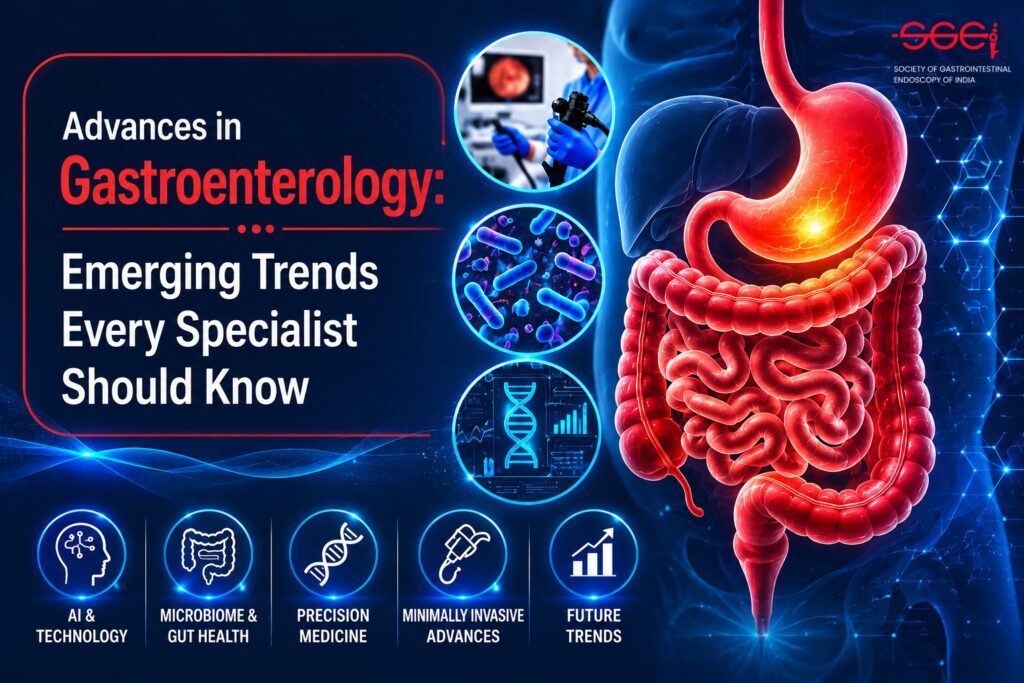
The field of Gastroenterology has experienced significant transformation over the last decade. From artificial intelligence-assisted diagnostics to minimally invasive treatments and precision medicine, the future of digestive healthcare is rapidly evolving. These gastroenterology advancements are helping specialists improve patient outcomes, increase diagnostic accuracy, and provide more efficient treatment solutions.
As gastrointestinal disorders continue to increase globally, healthcare professionals must stay updated with the latest innovations and medical practices. Organizations like SGEI are playing a vital role in supporting gastro specialists through medical education, research collaboration, conferences, and continuous learning opportunities.
Modern digestive healthcare now focuses not only on treatment but also on prevention, early detection, patient-centered care, and technology-driven solutions. Gastro specialists India-wide are increasingly adopting advanced technologies to improve healthcare delivery and ensure better patient experiences.
In this blog, SGEI explores the latest innovations and emerging trends shaping the future of gastroenterology and digestive healthcare.
The Evolution of Gastroenterology in Modern Healthcare
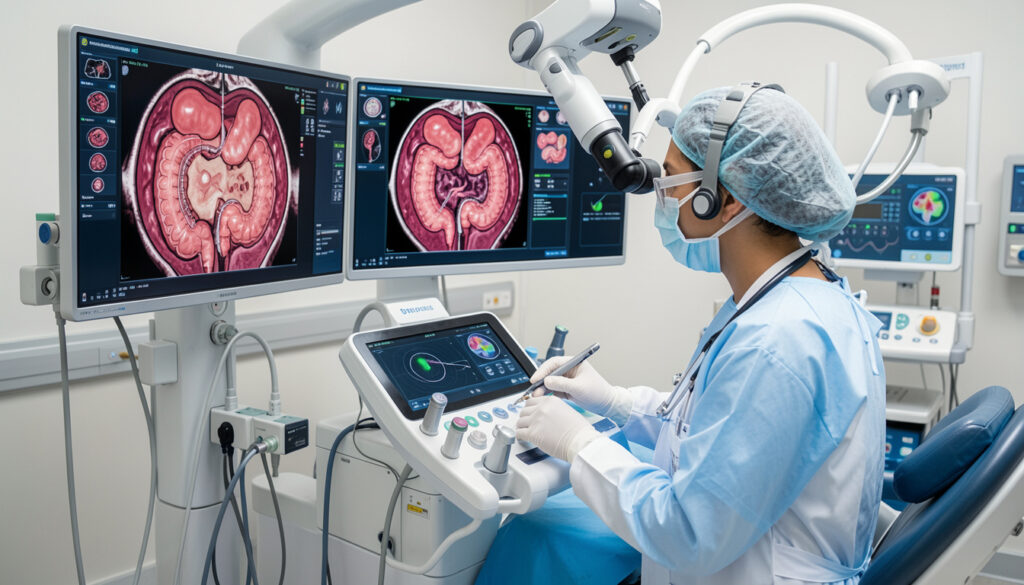
Gastroenterology has evolved from conventional diagnostic procedures to highly advanced, technology driven healthcare systems. Today, specialists have access to sophisticated imaging technologies, robotic-assisted procedures, artificial intelligence tools, and personalized treatment approaches.
The increasing prevalence of digestive diseases such as:
- Colorectal cancer
- Liver disease
- Irritable bowel syndrome (IBS)
- Gastroesophageal reflux disease (GERD)
- Inflammatory bowel disease (IBD)
- Pancreatic disorders
has accelerated the demand for modern digestive healthcare solutions.
According to healthcare experts associated with SGEI, the focus of modern gastroenterology is now centered around:
- Early diagnosis
- Preventive healthcare
- Improved endoscopic accuracy
- Minimally invasive procedures
- Faster patient recovery
- Long-term disease management
These advancements are redefining the standards of digestive healthcare globally and in India.
Artificial Intelligence in Gastroenterology
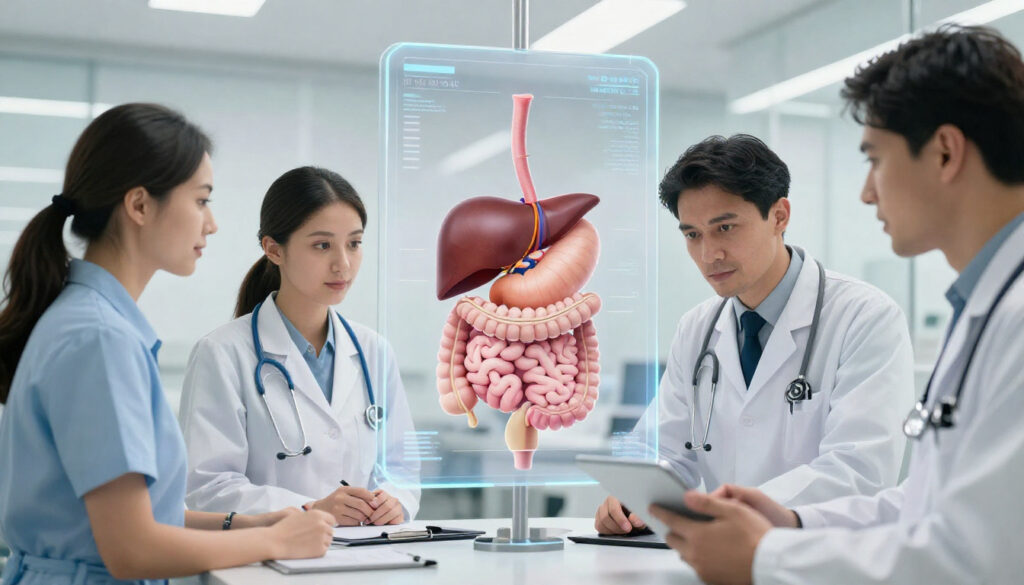
AI-Powered Endoscopy Systems
Artificial intelligence has become one of the most revolutionary gastroenterology advancements in recent years. AI-assisted endoscopy systems are helping specialists detect abnormalities more accurately and efficiently.
AI tools can analyze endoscopic images in real time and assist in identifying:
- Colon polyps
- Early-stage gastrointestinal cancers
- Bleeding lesions
- Barrett’s esophagus
- Gastric ulcers
Healthcare experts and researchers connected with SGEI continue to highlight the growing importance of AI in improving diagnostic outcomes.
Benefits of AI in Modern Digestive Healthcare
Improved Detection Accuracy
AI systems reduce the chances of missed lesions during colonoscopy and endoscopy procedures.
Faster Clinical Decision-Making
Real-time image analysis helps gastro specialists make faster and more accurate treatment decisions.
Enhanced Patient Outcomes
Early disease detection significantly improves treatment success rates, especially for colorectal cancer patients.
Reduced Human Error
Artificial intelligence acts as a support system that improves consistency and diagnostic precision.
Minimally Invasive Procedures Transforming Gastroenterology
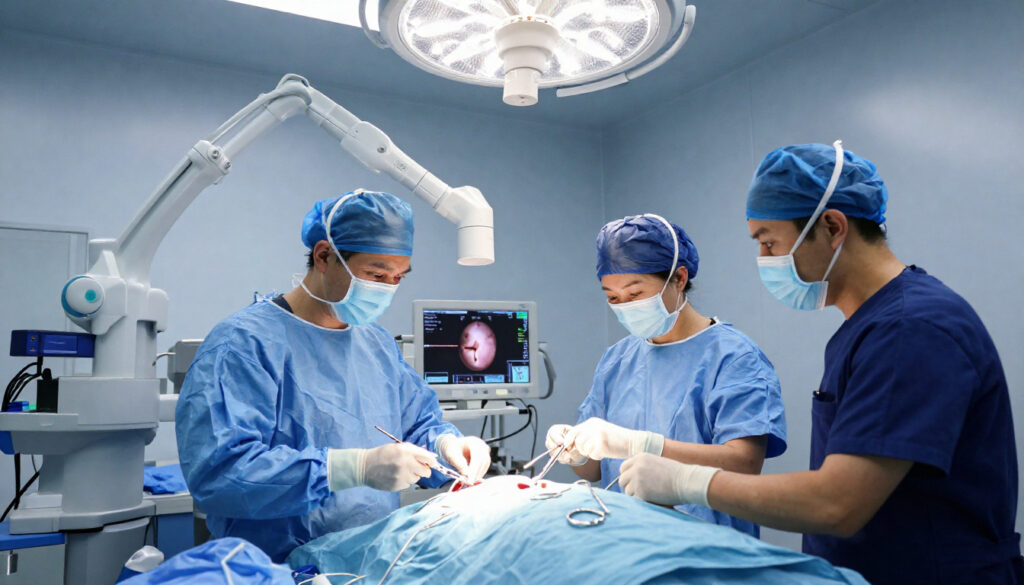
The Future of Patient-Friendly Treatments
Minimally invasive procedures have become a major component of modern digestive healthcare. Patients increasingly prefer procedures that involve minimal discomfort, smaller incisions, reduced hospitalization, and quicker recovery.
Specialists associated with SGEI continue to promote awareness about advanced endoscopic procedures that improve patient safety and treatment efficiency.
Important Minimally Invasive Procedures
Endoscopic Ultrasound (EUS)
EUS combines ultrasound imaging and endoscopy to evaluate digestive organs and surrounding tissues.
Endoscopic Retrograde Cholangiopancreatography (ERCP)
ERCP is widely used for diagnosing and treating bile duct and pancreatic conditions.
Endoscopic Submucosal Dissection (ESD)
ESD enables specialists to remove early gastrointestinal cancers without major surgery.
Peroral Endoscopic Myotomy (POEM)
POEM is increasingly being used to treat swallowing disorders such as achalasia.
These gastroenterology advancements are significantly improving recovery time and reducing surgical risks.
Innovations in Liver Disease Management
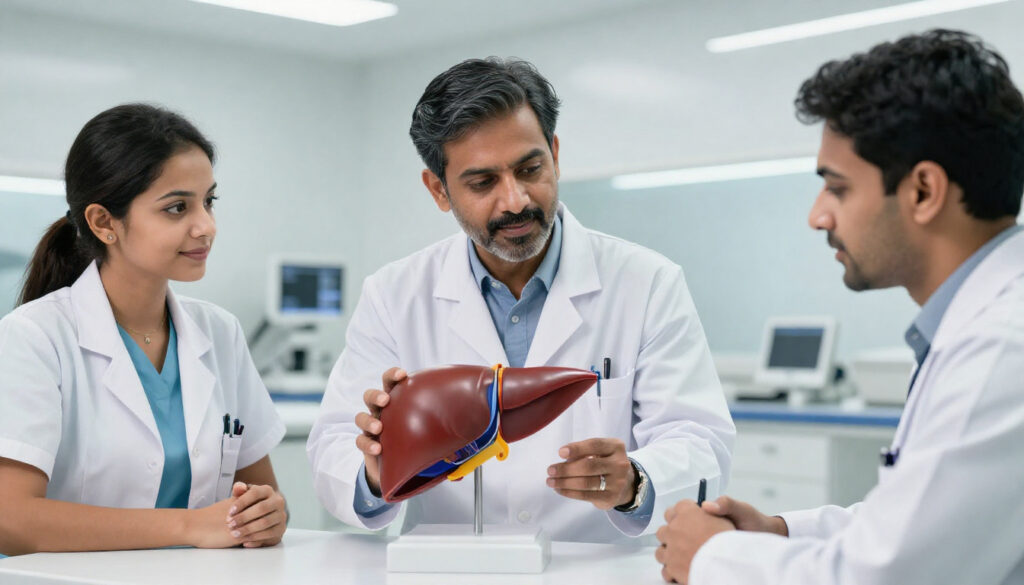
The Growing Focus on Hepatology
Liver diseases are becoming increasingly common due to lifestyle changes, alcohol consumption, obesity, viral infections, and metabolic disorders.
Modern digestive healthcare now emphasizes early detection and preventive strategies for:
- Fatty liver disease
- Hepatitis
- Cirrhosis
- Liver fibrosis
- Liver cancer
Medical experts from SGEI support the use of non-invasive diagnostic technologies that improve patient comfort and clinical accuracy.
Non-Invasive Diagnostic Technologies
Traditional liver biopsies are gradually being replaced with advanced technologies such as:
- FibroScan
- Elastography
- Biomarker testing
- High-resolution imaging systems
These technologies help specialists diagnose liver conditions more effectively while reducing patient discomfort.
Advanced Imaging Technologies in Gastroenterology
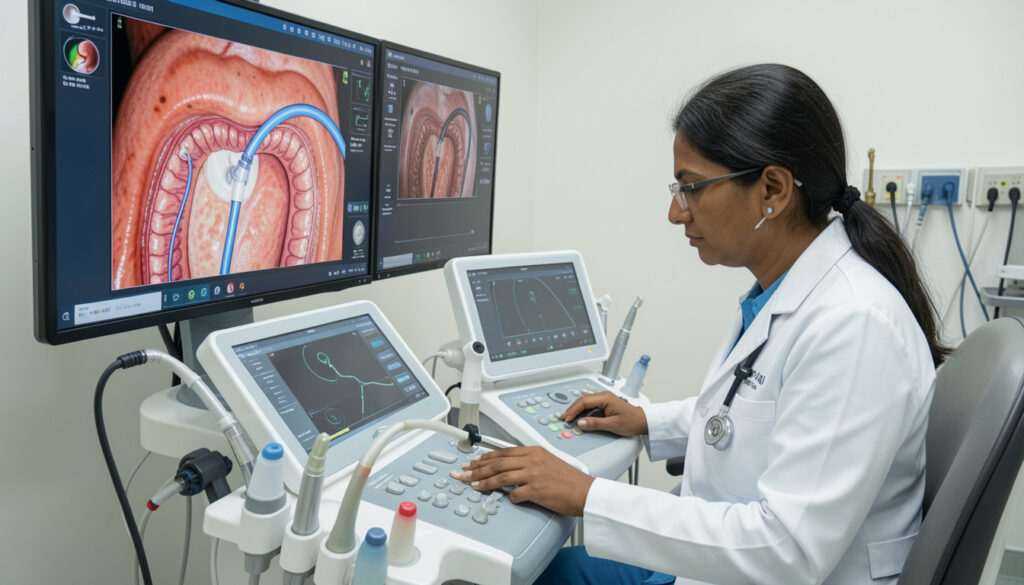
Better Imaging for Better Diagnosis
Advanced imaging systems are transforming gastroenterology diagnostics by providing highly detailed visualization of the digestive tract.Modern digestive healthcare depends heavily on these imaging technologies for early disease detection and treatment planning.
Emerging Imaging Technologies
Narrow Band Imaging (NBI)
NBI improves visualization of mucosal patterns and blood vessels, helping specialists detect early cancers.
Capsule Endoscopy
Capsule endoscopy allows doctors to examine the small intestine using a swallowable wireless camera.
Confocal Laser Endomicroscopy
This technology provides microscopic tissue imaging during endoscopic procedures.Healthcare education initiatives conducted by SGEI continue to promote awareness and training related to these advanced diagnostic tools.
Precision Medicine and Personalized Gastrointestinal Care
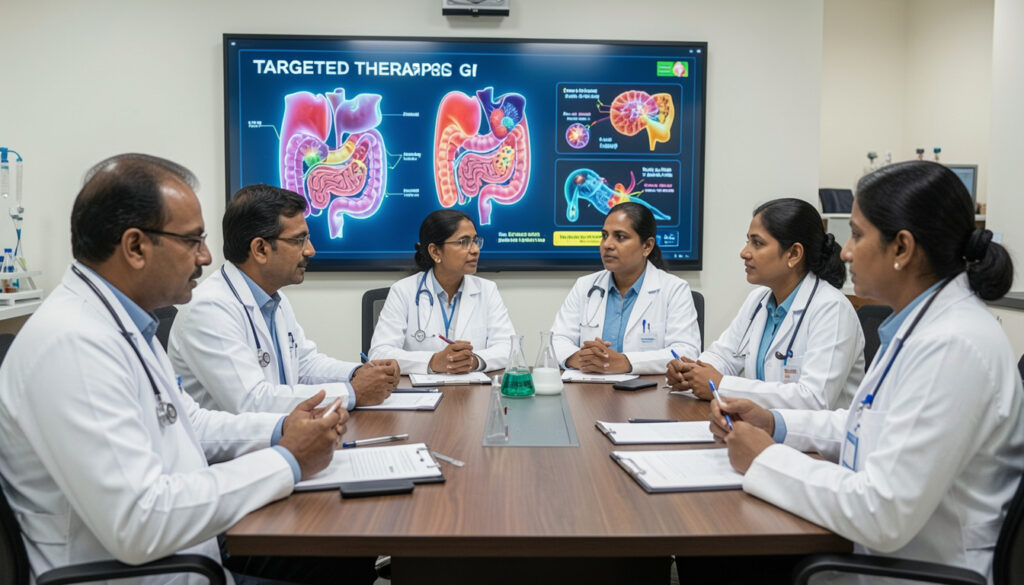
A New Era of Individualized Treatment
Precision medicine is revolutionizing gastroenterology by enabling specialists to create personalized treatment plans based on individual patient profiles.
Instead of generalized treatments, specialists now consider:
- Genetic factors
- Lifestyle habits
- Disease progression
- Gut microbiome composition
- Immune response patterns
This approach improves treatment effectiveness and patient outcomes.
Applications of Precision Medicine
Inflammatory Bowel Disease (IBD)
Biologic therapies are improving disease management for Crohn’s disease and ulcerative colitis patients.
Gastrointestinal Cancers
Genomic testing helps specialists select targeted therapies and immunotherapy options.
Microbiome-Based Treatments
Research into gut bacteria is opening new possibilities for digestive disease prevention and management. Research collaborations encouraged by SGEI are helping specialists stay updated with these emerging innovations.
The Importance of Preventive Gastroenterology
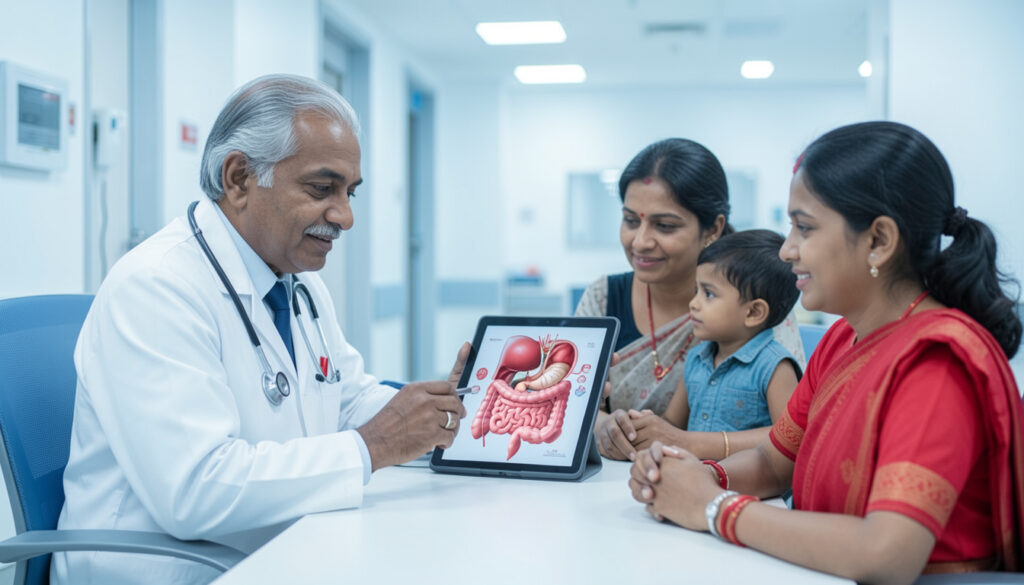
Prevention is Better Than Cure
Preventive healthcare is becoming increasingly important in modern digestive healthcare. Early diagnosis and routine screenings help reduce the burden of gastrointestinal diseases.
Important Preventive Measures
- Regular colonoscopy screenings
- Hepatitis vaccinations
- Healthy dietary habits
- Smoking cessation
- Alcohol moderation
- Weight management
Healthcare awareness programs supported by SGEI emphasize the importance of preventive care and public education.
Telemedicine and Digital Healthcare in Gastroenterology
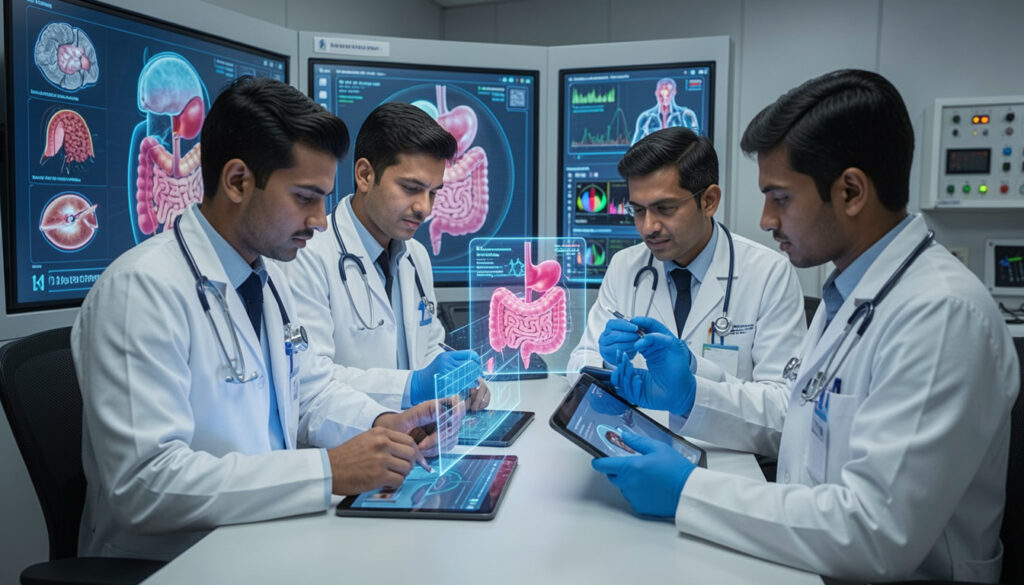
Expanding Access to Specialist Care
Telemedicine has become a crucial part of healthcare delivery, especially after the COVID-19 pandemic. Gastro specialists can now provide remote consultations, follow-up care, and treatment guidance through digital healthcare platforms.
Benefits of Telemedicine
Better Accessibility
Patients in remote and rural areas can connect with experienced gastro specialists more easily.
Improved Chronic Disease Monitoring
Patients with long-term digestive conditions receive regular follow-up support.
Reduced Healthcare Costs
Virtual consultations reduce travel expenses and unnecessary hospital visits.Digital healthcare discussions and educational sessions organized by SGEI continue to encourage adoption of modern healthcare technologies.
The Role of Continuous Medical Education in Gastroenterology
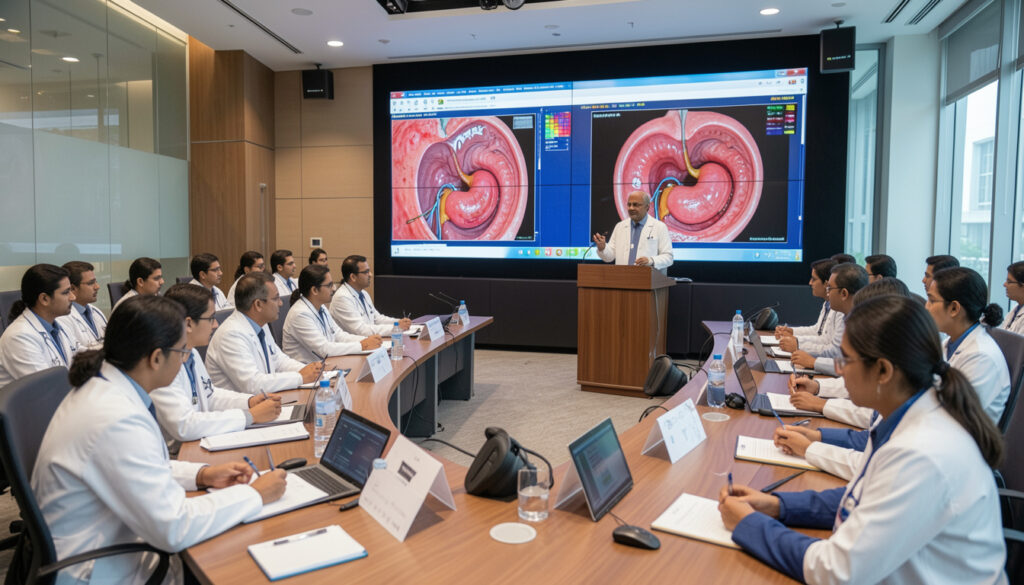
Staying Updated with Medical Advancements
The field of gastroenterology is constantly evolving. Continuous learning is essential for specialists to stay informed about the latest procedures, research findings, and technological innovations.
Professional organizations like SGEI provide valuable opportunities for:
- Medical conferences
- Workshops
- Clinical training
- Research collaboration
- Networking with experts
- Continuing Medical Education (CME)
These initiatives help specialists improve clinical skills and contribute to better patient care.
Emerging Research Areas in Gastroenterology
Future Trends in Digestive Healthcare
Research and innovation continue to shape the future of gastroenterology.
Key Areas of Research
Gut Microbiome Studies
Scientists are exploring the relationship between gut bacteria and digestive health, immunity, obesity, and chronic diseases.
Artificial Intelligence Expansion
AI technologies are expected to expand into predictive analytics and automated disease assessment.
Regenerative Medicine
Stem cell therapies may offer future treatment possibilities for chronic gastrointestinal disorders.
Immunotherapy for GI Cancers
Advanced immunotherapy approaches are improving survival rates for gastrointestinal cancer patients. Research-focused initiatives supported by SGEI are encouraging knowledge sharing among specialists and researchers.
Challenges in Modern Gastroenterology
Balancing Innovation and Accessibility
Despite major gastroenterology advancements, healthcare systems still face important challenges.
Common Challenges Include:
- High healthcare costs
- Limited rural access to advanced technologies
- Need for specialized training
- Technology adoption barriers
- Data privacy concerns
Healthcare organizations and medical societies must work together to ensure advanced digestive healthcare becomes accessible to a larger population.
The Future of Gastroenterology in India

Rapid Growth and Healthcare Innovation
India is experiencing rapid growth in specialized healthcare services and medical technology adoption. Increasing awareness about digestive diseases and preventive healthcare is driving demand for skilled gastro specialists India-wide.
Organizations such as SGEI are contributing significantly to the advancement of gastroenterology education, collaboration, and professional development.
Key Growth Factors
- Rising healthcare awareness
- Expansion of medical infrastructure
- Increased adoption of AI technologies
- Growth in medical conferences and workshops
- Research and innovation in digestive healthcare
The future of gastroenterology in India looks promising as healthcare professionals continue to embrace innovation and evidence-based treatment practices.
Conclusion
The field of gastroenterology is entering a transformative era powered by artificial intelligence, minimally invasive procedures, precision medicine, advanced imaging systems, and preventive healthcare strategies. These gastroenterology advancements are improving diagnostic accuracy, enhancing patient outcomes, and shaping the future of modern digestive healthcare.
For gastro specialists India and globally, staying informed about emerging trends is essential for delivering high-quality patient care. Continuous education, collaboration, and professional networking are critical for adapting to evolving medical technologies and treatment approaches.
SGEI continues to support the medical community by promoting education, research, innovation, and professional growth in the field of gastroenterology and gastrointestinal endoscopy.
As the future of digestive healthcare continues to evolve, specialists who embrace innovation and continuous learning will lead the next generation of patient-centered gastrointestinal care.
Join Our SGEI Community
Welcome to Society of Gastrointestinal Endoscopy in India
Become a member of SGEI and connect with a growing network of gastroenterologists, healthcare professionals, researchers, and medical experts dedicated to advancing digestive healthcare in India.
Benefits of Joining SGEI
- Access medical conferences and CME programs
- Connect with leading gastro specialists
- Stay updated with latest gastroenterology advancements
- Participate in research and academic discussions
- Expand your professional healthcare network
- Contribute to the future of modern digestive healthcare
Visit SGEI Official Website to explore membership opportunities, upcoming events, and professional collaborations.