Introduction
Gastrointestinal endoscopy has evolved significantly over the past several decades. What was once primarily used for visualization and diagnosis has become an important part of modern therapeutic care. Today, advanced endoscopy encompasses increasingly sophisticated techniques, technologies and clinical decision-making.
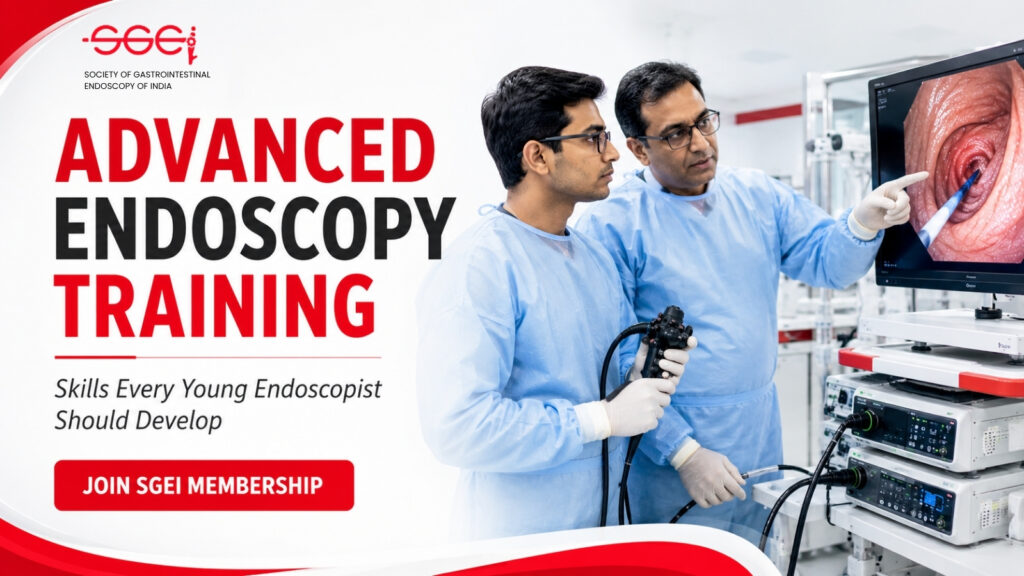
For young gastroenterologists, developing these skills requires more than simply observing procedures. Advanced endoscopy training should combine theoretical knowledge, structured mentorship, hands-on experience, simulation, direct observation and continuous assessment.
The goal is not simply to perform more procedures. The goal is to develop the ability to select the right procedure, perform it safely and effectively, recognize limitations, manage complications and make appropriate decisions before, during and after the procedure.
Professional societies such as the American Society for Gastrointestinal Endoscopy emphasize that competency involves both cognitive and technical components and should, where possible, be assessed through objective criteria and direct observation rather than relying only on procedure numbers.
In India, the need for structured opportunities for young endoscopists is particularly relevant. SGEI’s Young Endoscopist UpSkilling (YES) Program was created to help young gastroenterologists develop advanced endoscopy skills through focused teaching, mentorship, live demonstrations and hands-on training.
So, what are the most important skills a young endoscopist should develop?
1. Strong Fundamentals of GI Endoscopy
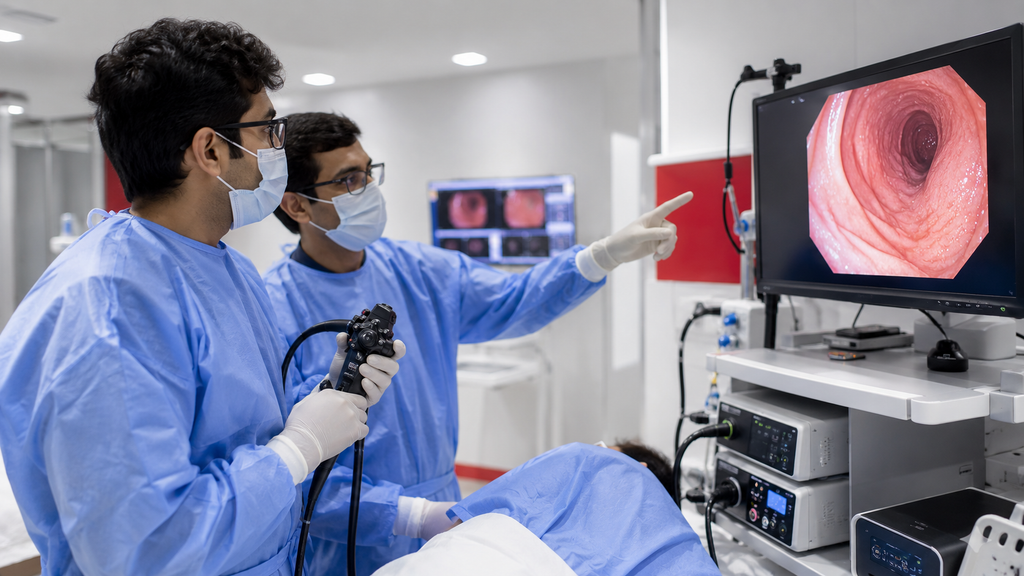
Advanced endoscopy begins with excellent fundamentals.
Before progressing to complex therapeutic procedures, young endoscopists should develop confidence in basic diagnostic endoscopy, systematic examination, image interpretation, biopsy techniques, documentation and patient safety.
A strong foundation allows the endoscopist to recognize normal anatomy, anatomical variations and pathological findings accurately.
Important foundational skills include:
- Systematic upper GI endoscopy
- High-quality colonoscopy
- Appropriate biopsy techniques
- Lesion recognition and characterization
- Image-enhanced endoscopy
- Complete and accurate documentation
- Patient preparation and assessment
- Understanding indications and contraindications
Advanced techniques build upon these fundamentals. A young endoscopist who develops excellent observation and scope-control skills early in training is better positioned to progress toward more technically demanding procedures.
2. Endoscope Handling and Technical Control
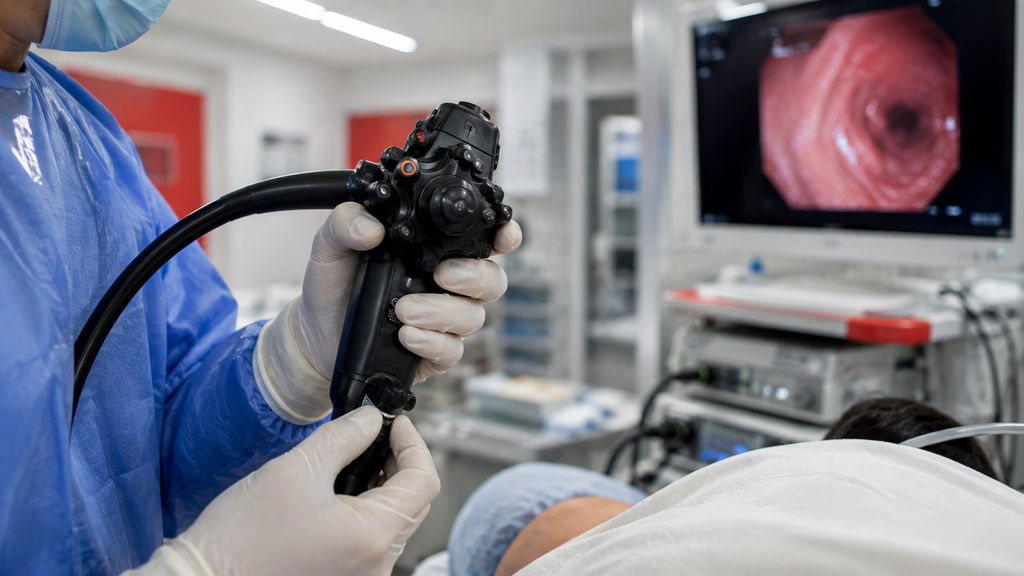
Technical control is one of the most important components of advanced endoscopy training.
Young endoscopists need to understand how subtle movements of the insertion tube, angulation controls, torque and accessories influence the position and stability of the endoscope.
Technical proficiency includes:
- Efficient scope insertion
- Tip control
- Torque steering
- Maintaining a stable field of view
- Appropriate insufflation
- Controlled withdrawal
- Tissue approach
- Accessory handling
- Coordinating hand and eye movements
For advanced procedures, technical control becomes even more important because therapeutic interventions often require precise positioning.
Training should therefore progress from observation to guided practice and eventually to independent performance under appropriate supervision.
Simulation can also play a useful role in developing psychomotor skills before performing more complex procedures on patients.
3. Lesion Detection and Characterization
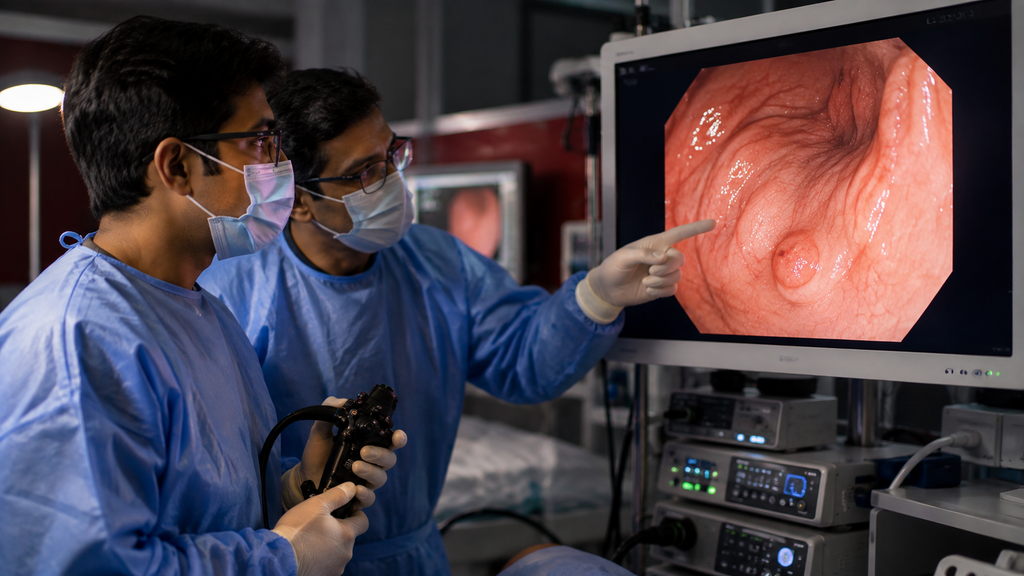
Modern endoscopy is not only about reaching the target. It is also about recognizing what is being seen.
Young endoscopists should develop the ability to identify subtle mucosal abnormalities and distinguish between normal, inflammatory, neoplastic and other pathological appearances.
This requires familiarity with:
- High-definition imaging
- Image-enhanced endoscopy
- Surface patterns
- Vascular patterns
- Lesion margins
- Depressed and elevated lesions
- Early neoplastic changes
- Appropriate biopsy and documentation strategies
The ability to characterize lesions before intervention is particularly important when considering advanced resection techniques.
Continuous exposure to high-quality images, recorded procedures, expert demonstrations and case discussions can strengthen pattern recognition.
SGEI’s educational initiatives emphasize structured learning and access to experienced mentors, reflecting the importance of guided learning in developing advanced endoscopy skills.
4. Understanding Advanced Therapeutic Endoscopy
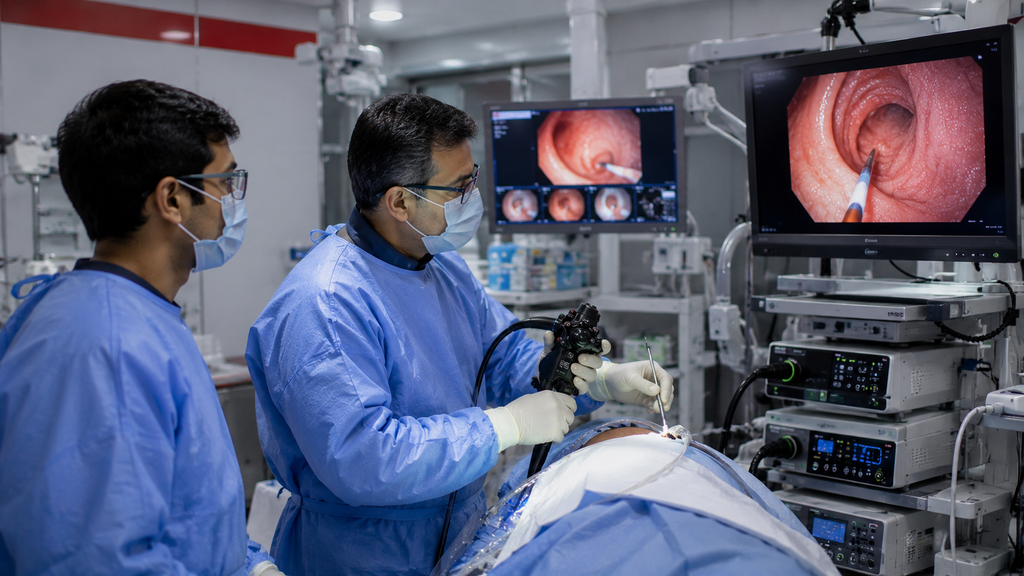
One of the defining characteristics of modern GI endoscopy is the ability to diagnose and treat disease through minimally invasive approaches.
Depending on the individual’s training pathway and clinical practice, advanced endoscopy may involve procedures and techniques such as:
- Endoscopic mucosal resection (EMR)
- Endoscopic submucosal dissection (ESD)
- Endoscopic ultrasound (EUS)
- Endoscopic retrograde cholangiopancreatography (ERCP)
- Peroral endoscopic myotomy (POEM)
- Endoscopic stenting
- Hemostasis techniques
- Deep enteroscopy
- Third-space endoscopy
Each technique has different indications, equipment requirements, technical challenges and potential complications.
Young endoscopists should therefore avoid approaching advanced endoscopy as a collection of isolated procedures. Instead, they should understand the principles behind each technique and learn how to determine which intervention is appropriate for a particular clinical situation.
Structured advanced endoscopy training can help learners progress from fundamental concepts to procedure-specific skills.
5. EUS and ERCP Skills
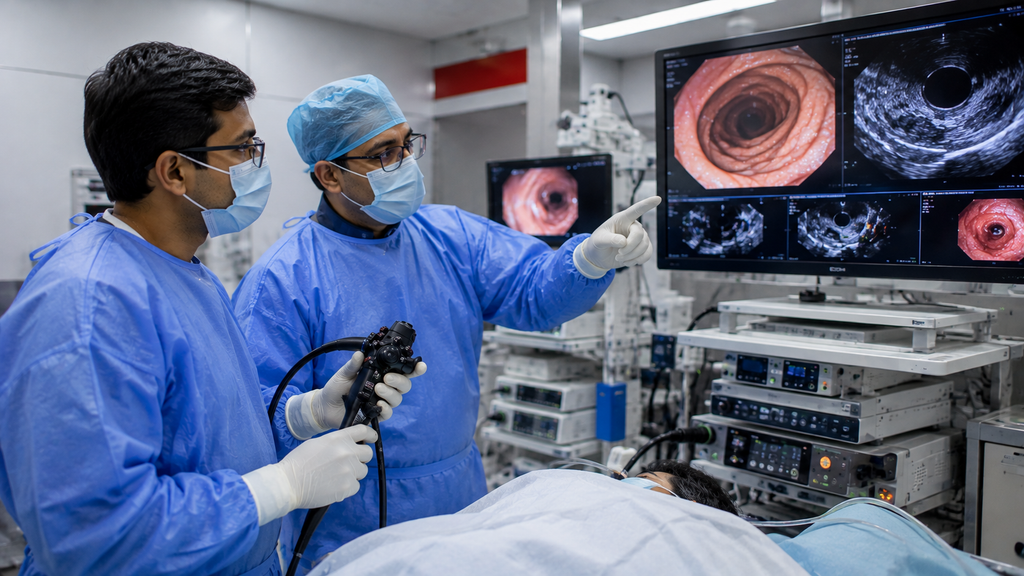
EUS and ERCP represent important areas of advanced GI endoscopy and require dedicated training.
Endoscopic ultrasound (EUS) combines endoscopic visualization with ultrasound imaging and can support evaluation of gastrointestinal and pancreatobiliary conditions, tissue acquisition and selected therapeutic interventions.
ERCP involves technically demanding access to the biliary and pancreatic ducts and may be used for therapeutic interventions in appropriate clinical settings.
Because these procedures can involve significant technical complexity, training should emphasize patient selection, anatomy, equipment familiarity, procedural strategy, complication recognition and post-procedure care.
Importantly, procedure volume alone should not be considered a guarantee of competency. ASGE guidance emphasizes that competency should be evaluated through appropriate assessment, direct observation and objective criteria whenever possible.
6. Hands-On Training and Simulation
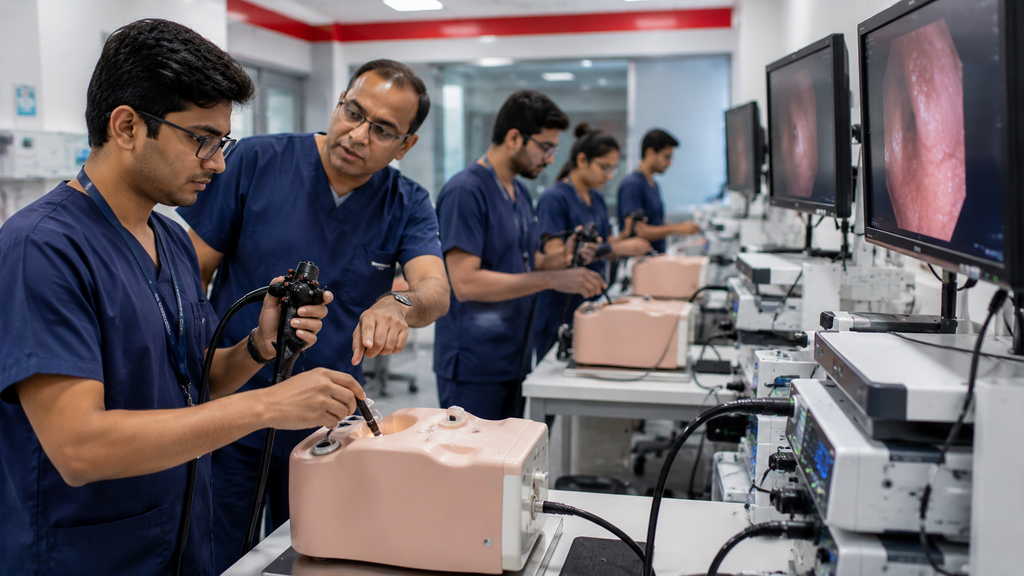
One of the biggest differences between theoretical education and procedural education is the need for hands-on experience.
Watching an expert perform a procedure can provide valuable insight, but observation alone does not create procedural competence.
Young endoscopists benefit from opportunities to:
- Practice scope manipulation
- Handle endoscopic accessories
- Perform simulated interventions
- Practice troubleshooting
- Understand equipment
- Develop procedural coordination
- Receive immediate feedback
Simulation can provide a controlled environment in which learners can repeatedly practice specific skills.
SGEI’s YES Program, for example, includes lectures, live demonstrations, interactive sessions and hands-on workshops using animal models and simulators.
This combination of knowledge, observation, practice and feedback is particularly valuable for early-career endoscopists.
7. Complication Recognition and Management
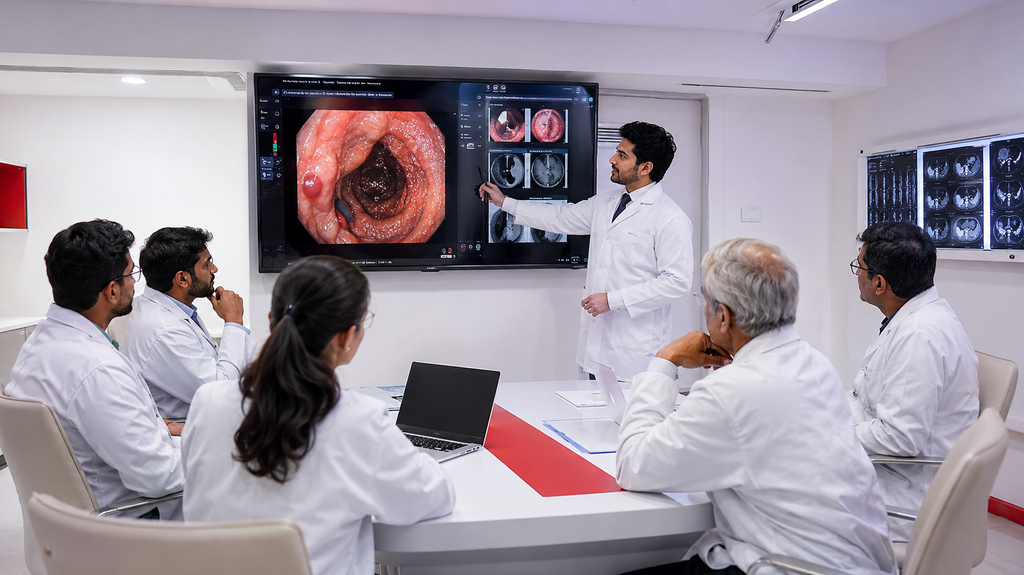
Technical success is only one part of advanced endoscopy.
A skilled endoscopist must also understand what can go wrong and how to recognize complications early.
Training should therefore cover:
- Bleeding recognition and management
- Perforation recognition
- Post-procedure pain and other complications
- Sedation-related concerns
- Infection prevention
- Equipment-related problems
- Appropriate escalation
- Communication with the multidisciplinary team
Young endoscopists should learn to recognize when a situation is beyond their current level of expertise and when assistance is required.
High-quality endoscopy is closely linked to patient safety and quality improvement. Current ASGE resources include quality indicators for common GI procedures as well as specific areas such as ERCP and EUS.
A culture of continuous learning and review can help endoscopists identify areas for improvement.
8. Clinical Decision-Making
Advanced endoscopy is not simply about performing a technically difficult procedure.
The most important question is often:
“Is this the right procedure for this patient?”
Young endoscopists should develop strong clinical reasoning skills alongside procedural ability.
This includes understanding:
- Appropriate indications
- Patient selection
- Risk-benefit assessment
- Alternative treatment options
- Expected outcomes
- Contraindications
- Timing of intervention
- Multidisciplinary decision-making
- Post-procedure follow-up
Appropriate-use guidance emphasizes that endoscopists need both technical endoscopy skills and a strong understanding of gastrointestinal disease to determine what findings mean and what should happen next.
This is why advanced endoscopy training should never be separated from broader clinical education.
9. Learning From Experienced Mentors
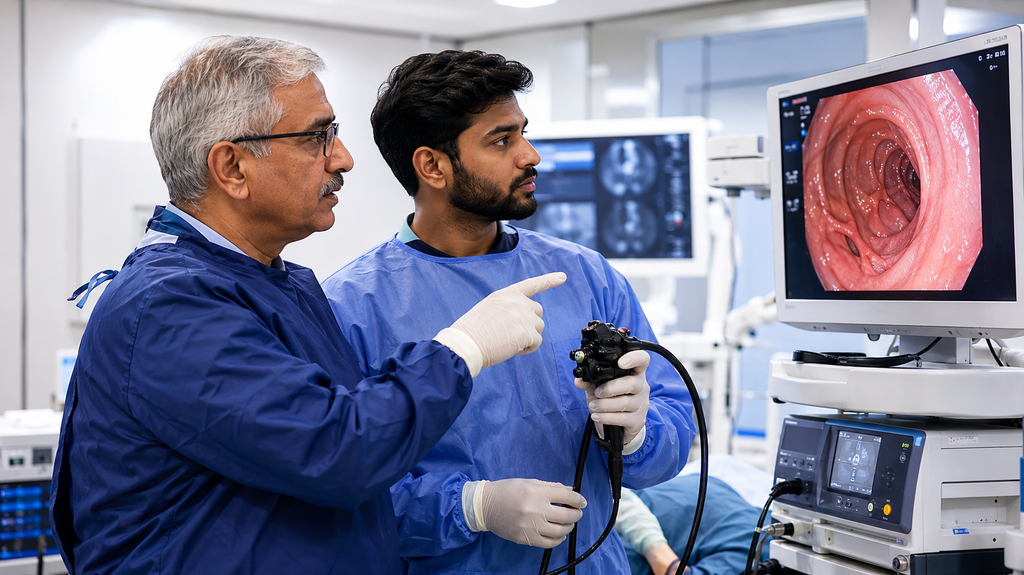
Mentorship can accelerate learning.
An experienced endoscopist can demonstrate not only how to perform a procedure but also how to think during the procedure.
Mentors can help young endoscopists understand:
- Why a particular technique is selected
- How to approach difficult anatomy
- When to change strategy
- How to troubleshoot technical problems
- How to recognize complications
- When to stop and seek assistance
- How to review and improve performance
SGEI’s SITAR initiative specifically aims to provide professional enhancement and academic opportunities for young members, while its YES Program uses experienced faculty and mentors to deliver structured training.
A strong mentor-learner relationship can therefore become an important part of an endoscopist’s professional development.
10. Continuous Quality Improvement
Advanced endoscopy is a lifelong learning process.
Even experienced endoscopists need to review their outcomes, stay updated with new techniques and evaluate changes in technology and clinical practice.
Quality improvement can involve:
- Reviewing procedure outcomes
- Tracking complications
- Reviewing difficult cases
- Participating in peer discussions
- Attending workshops and conferences
- Reviewing new evidence
- Maintaining procedural documentation
- Learning new technologies
- Seeking feedback from experienced colleagues
ASGE quality frameworks emphasize regular education, training, quality monitoring and continuous improvement as important elements of high-quality endoscopy units.
For young endoscopists, developing this mindset early can create habits that support professional growth throughout their careers.
Building a Structured Learning Path
There is no single pathway that is appropriate for every young endoscopist. Training requirements depend on the procedure, the learner’s previous experience, institutional resources and the level of competency expected.
However, a structured pathway can generally include:
Step 1: Build strong fundamentals
Develop excellent diagnostic endoscopy and clinical knowledge.
Step 2: Observe experienced endoscopists
Study procedure planning, technical movements and decision-making.
Step 3: Practice in simulation
Develop technical skills in a controlled environment.
Step 4: Perform supervised procedures
Gradually take responsibility under direct expert supervision.
Step 5: Review performance
Use feedback, video review and outcome assessment.
Step 6: Develop specialty-specific skills
Progress toward areas such as EUS, ERCP, EMR, ESD or third-space endoscopy based on career goals.
Step 7: Maintain competency
Continue education, quality assessment and professional development.
This approach reinforces an important principle: advanced endoscopy training should be competency-focused rather than simply procedure-count focused.
The Role of SGEI in Advanced Endoscopy Education
The Society of Gastrointestinal Endoscopy of India (SGEI) has identified education and training in basic and advanced endoscopy as an important part of its mission.
Its SITAR initiative brings together multiple educational opportunities, including the Young Endoscopist UpSkilling (YES) Program, research grants, post-doctoral fellowships, training videos and travel fellowships.
The YES Program is specifically designed for young gastroenterologists and includes theme-based learning, lectures, live demonstrations, interactive sessions and hands-on training.
SGEI has also outlined an Advanced Endoscopy Fellowship aimed at young gastroenterologists who require structured advanced endoscopy training in India.
These initiatives reflect a broader need for structured opportunities that allow young endoscopists to learn from experienced faculty, practice advanced techniques and develop professional confidence.
Conclusion
Becoming a skilled advanced endoscopist is a gradual process that requires much more than learning individual procedures.
The strongest foundation combines technical ability, clinical reasoning, lesion recognition, patient selection, hands-on practice, simulation, mentorship, complication management and continuous quality improvement.
For young gastroenterologists, the right training environment can make a significant difference. Structured learning, expert supervision and opportunities for practical exposure can help transform theoretical knowledge into procedural competence.
As GI endoscopy continues to evolve, young endoscopists will increasingly need to stay adaptable, evidence-driven and committed to lifelong learning.
The future of advanced endoscopy depends not only on new technologies and procedures, but also on developing professionals who can use those technologies safely, thoughtfully and effectively.
For young gastroenterologists looking to strengthen their advanced endoscopy training, professional societies and structured educational initiatives can provide valuable opportunities for learning, mentorship, collaboration and continued development.
Learn more about SGEI’s educational initiatives, YES Program and advanced endoscopy training opportunities through the official Society of Gastrointestinal Endoscopy of India website.
FAQ Section
What is advanced endoscopy training?
Advanced endoscopy training is specialized education that helps gastroenterologists develop technical and clinical skills for complex GI endoscopic procedures. It may include supervised procedures, simulation, live demonstrations, lectures, case discussions and mentorship.
Why is advanced endoscopy training important for young endoscopists?
Advanced endoscopy requires specialized technical skills and clinical decision-making. Structured training provides young endoscopists with opportunities to learn from experienced faculty, practice techniques and receive feedback in a supervised environment.
What skills should a young endoscopist develop?
Important skills include endoscope handling, lesion detection, image interpretation, therapeutic techniques, EUS and ERCP knowledge where appropriate, complication management, patient selection, clinical decision-making and continuous quality improvement.
Is hands-on training important in advanced endoscopy?
Yes. Hands-on practice allows learners to develop psychomotor and procedural skills that cannot be acquired through theoretical learning alone. SGEI’s YES Program, for example, includes hands-on workshops using simulators and animal models.
How can young gastroenterologists improve their endoscopy skills?
They can participate in structured training programs, workshops, fellowships, mentorship programs, simulation-based education, conferences and continuous professional development activities.
What is SGEI’s YES Program?
The Young Endoscopist UpSkilling (YES) Program is an SGEI initiative designed to help young gastroenterologists develop advanced endoscopy skills through focused academic learning, expert mentorship, live demonstrations and hands-on training.
Continue Your Journey in Advanced GI Endoscopy with SGEI
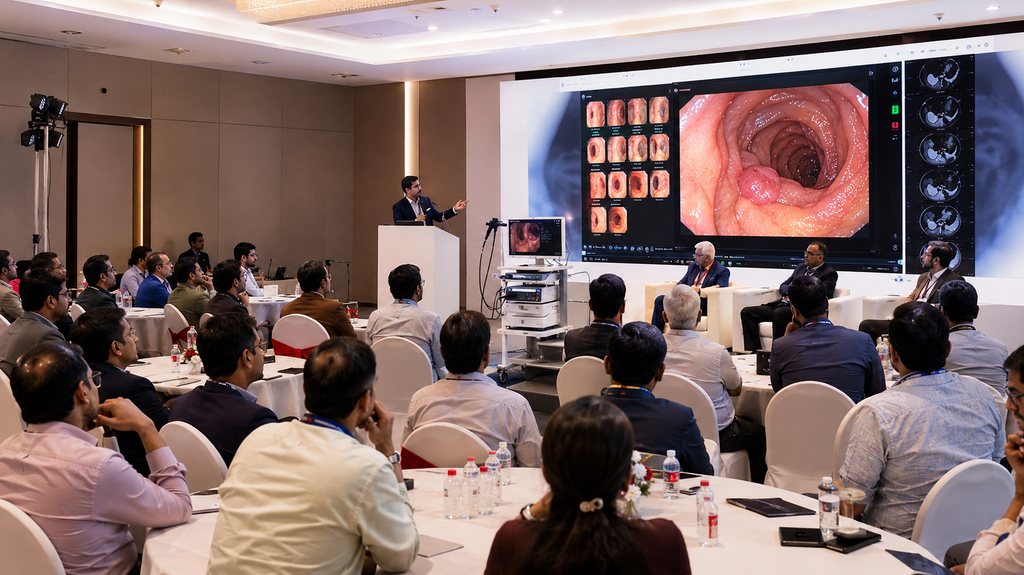
Advanced endoscopy is a journey of continuous learning, practical experience and professional collaboration. Being connected with a dedicated professional community can help young endoscopists stay engaged with education, training opportunities and developments in the field.
Join the Society of Gastrointestinal Endoscopy of India (SGEI) and become part of a growing community committed to advancing GI endoscopy through education, innovation, research and collaboration.
Why Join SGEI?
- Connect with GI endoscopy professionals and experts
- Explore educational and training opportunities
- Stay updated with developments in gastrointestinal endoscopy
- Participate in professional events, workshops and learning initiatives
- Build meaningful connections within the GI endoscopy community
Ready to Take the Next Step?
Become an SGEI Member Today
Visit sgei.org.in and explore SGEI membership opportunities.
Learn • Connect • Advance