
Why young gastroenterologists Should join SGEI ? Starting a career in gastroenterology is exciting. It is also a time when many young specialists are deciding what kind of clinician, endoscopist, teacher or researcher they want to become. New techniques, changing evidence and varied clinical settings make the specialty dynamic and make continued learning and professional connection especially valuable.
That is why many early-career clinicians ask: Why should young gastroenterologists join SGEI? The Society of Gastrointestinal Endoscopy of India (SGEI) is a professional body focused on advancing gastrointestinal endoscopy through education, research, advocacy and collaboration. For young gastroenterologists with an interest in endoscopy, participation can offer a way to engage with a wider professional community and learn about relevant academic and development opportunities.
Membership by itself does not replace formal training, institutional supervision or clinical experience. Its value comes from how a young specialist uses the opportunities available, and from checking current membership rules and programme details directly with SGEI. This guide explains the practical reasons to consider SGEI membership and how to make that participation meaningful.
1. Become part of India’s GI endoscopy community

The early years after specialist training can feel professionally isolating. A clinician may be the newest member of a department, working in a region with limited access to subspecialty colleagues, or trying to understand how peers approach similar cases and career decisions. A professional society can create more opportunities to meet people working across institutions and locations.
SGEI describes its role as bringing together gastroenterologists and endoscopy professionals to advance the science and practice of GI endoscopy. For a young gastroenterologist, being part of that community can make it easier to follow academic discussions, meet potential collaborators and stay connected with colleagues who share an interest in the field.
Networking does not need to mean collecting contacts. It can begin with a thoughtful question after a session, a discussion about a technique, or an introduction to someone whose work you have read. Over time, these professional relationships may lead to shared learning, research conversations, teaching opportunities or guidance about further training. The outcome depends on individual participation; joining a society is the beginning of a connection, not a guarantee of a particular career result.
2. Keep learning beyond the training programme
Gastroenterology training builds an essential foundation, but professional development continues throughout a career. Endoscopy practice involves more than learning how to operate equipment. Specialists continue to develop judgement about indications, preparation, patient safety, documentation, lesion recognition, therapy choices, follow-up and communication with patients and colleagues.
SGEI’s stated mission includes education and professional development. Its website describes academic meetings, workshops and learning opportunities. These can help members follow evolving topics and hear how experienced clinicians think through complex or unfamiliar questions. Meeting formats and offerings change, so check the official SGEI calendar and event pages for current dates, eligibility, fees and programme content.
For young gastroenterologists, education is most useful when it is active. Before attending a meeting, identify a few questions you want to explore. During sessions, note practical points and areas where evidence is uncertain. Afterward, discuss what applies to your own setting with local mentors and review the relevant literature. This approach turns attendance into a structured learning activity rather than a passive event.
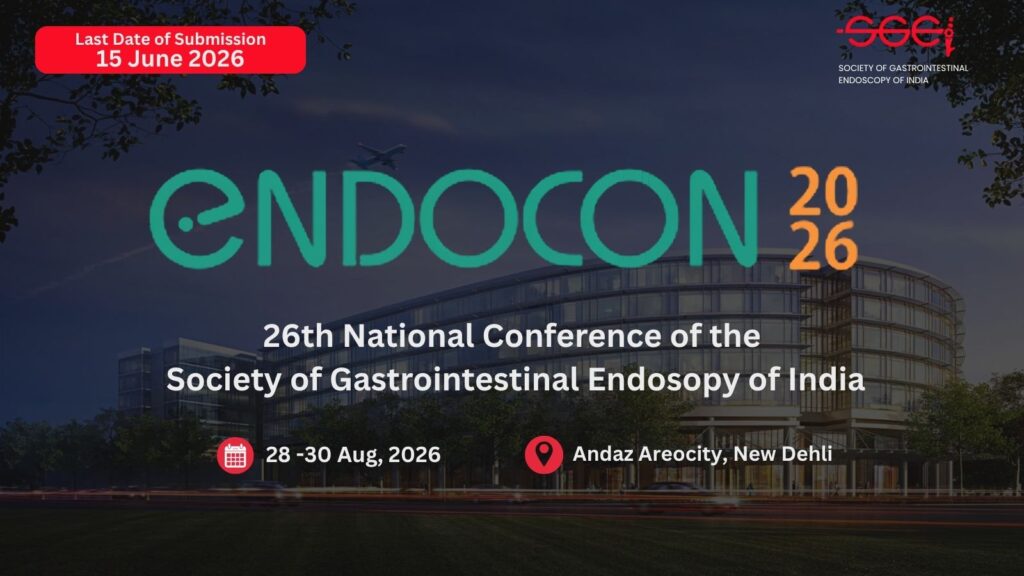
SGEI’s ENDOCON 2026 article is a useful internal read for young specialists exploring learning, networking and academic participation.
3. Explore focused upskilling opportunities

One programme particularly relevant to early-career specialists is SGEI’s Young Endoscopist UpSkilling (YES) programme. SGEI describes YES as an initiative to promote basic and advanced endoscopy education for young budding gastroenterologists. The programme page outlines theme-based learning, with focused discussion and a mix of educational and practical components. It also describes intended eligibility, selection, format and participant support.
Because programme details can change, prospective participants should read the official YES programme information and confirm the current cycle’s eligibility, application process, dates and support with SGEI. Do not assume a place is automatic: the programme page describes eligibility and selection requirements, and the number of participants may be limited.
For an early-career clinician, focused upskilling can help identify areas for future learning and expose participants to structured discussion of techniques and clinical questions. Hands-on components, where offered, should be understood as supervised educational experiences. They complement not substitute for formal competency assessment, local credentialing, adequate procedure volume and ongoing supervision in clinical practice.
The best way to benefit from an educational programme is to prepare. Review the topic in advance, identify the steps or decisions you find challenging, and arrive ready to ask specific questions. Afterwards, reflect on what you learned and discuss how it fits within your institution’s protocols and the guidance of your supervisors. Learning is strongest when it connects formal education with safe, supervised practice.
4. Learn from experienced colleagues while finding your own path
Mentorship can help young specialists make sense of a complicated professional landscape. A mentor may offer perspective on further training, research questions, presentation skills, academic careers, service development or balancing competing responsibilities. Mentoring relationships can happen within an institution, through a meeting, or through repeated professional interactions over time.
SGEI’s mission and public information emphasize education, collaboration and nurturing young endoscopists. Taking part in its activities may help young gastroenterologists encounter experienced faculty and potential mentors. A formal mentoring match should not be assumed unless SGEI announces one; instead, use professional events to build genuine, respectful connections.
When approaching a potential mentor, be clear and considerate. Introduce yourself, explain the area you are exploring and ask a focused question. If you request a longer conversation, suggest a short meeting and be flexible about timing. Follow up with thanks and, when useful, a concise update on how you acted on the advice. Strong professional relationships grow through curiosity, reliability and mutual respect.
5. Connect with research, presentations and academic collaboration
Research helps the specialty ask better questions and evaluate whether clinical practices are delivering the outcomes patients need. Early-career gastroenterologists can contribute by learning critical appraisal, identifying unanswered questions in everyday practice, joining a supervised project or presenting a carefully prepared case or study.
Professional societies can provide settings where clinicians share work, hear feedback and meet potential collaborators. SGEI’s mission includes advancing endoscopy through research and collaboration. Its meetings and academic activities may be relevant places to explore these interests; check current announcements for abstract rules, deadlines and presentation formats.

Presenting work is a skill that develops with practice. A clear question, transparent methods, honest limitations and concise take-home message make research easier to understand. Feedback from peers can help improve both the work and the way it is communicated. Over time, participation in academic activities can help a young specialist contribute to the broader endoscopy community.
6. Stay connected to changes in endoscopy
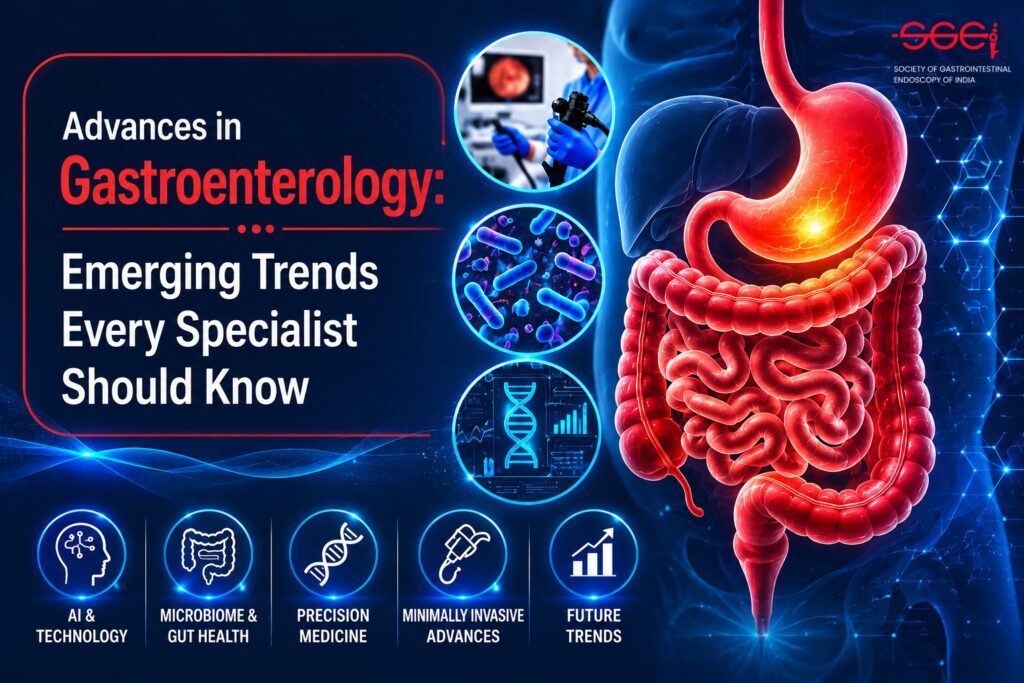
GI endoscopy continues to evolve, from improvements in imaging and therapeutic techniques to new approaches in quality assessment and artificial intelligence. Not every new technology is suitable for every practice, and a new development should be assessed against evidence, patient needs, safety, cost and local resources.
A professional society can help clinicians encounter developments through scientific meetings, educational material and discussion with peers. This can support informed curiosity: What problem is a technique meant to solve? Which patients may benefit? What are its risks and limitations? What evidence supports its use? What training and infrastructure are needed?
External professional resources can complement SGEI activities. For example, the World Endoscopy Organization shares international information on endoscopy, while the European Society of Gastrointestinal Endoscopy publishes educational and guideline resources. These are outbound references for further reading; recommendations should always be interpreted in context and checked against applicable Indian guidance, local protocols and specialist judgement.
SGEI’s ENDOCON 2026 article can also help readers explore the society’s academic activities. Check SGEI’s website for current event dates and announcements.
7. Build professional confidence and contribute to patient care
Confidence in endoscopy should come from competence, preparation, supervision and reflection not from a membership card or conference attendance. Still, learning with a professional community can support the habits that strengthen practice: asking questions, discussing cases responsibly, keeping up with evidence and sharing lessons with colleagues.
SGEI’s vision describes empowering a diverse community of GI endoscopy professionals to deliver excellent gastroenterology patient care. A young member can contribute to that vision by participating constructively, supporting evidence-informed practice and sharing knowledge responsibly. Contribution can be as simple as asking a useful question, helping a colleague learn, presenting a project or volunteering for an academic activity when opportunities are available.
Professional societies also benefit when participation includes a range of institutions, regions and career stages. Young specialists can help bring attention to the realities of practice in their settings and encourage accessible, relevant education. A stronger community is built through members who both learn and contribute.
8. Who should consider SGEI membership?
Young gastroenterologists and endoscopists who want to engage more deeply with GI endoscopy education, professional networking or academic activities may wish to explore SGEI membership. The right fit depends on your career stage, interests, eligibility and what you hope to gain from participating.
SGEI’s membership pages describe membership categories and application requirements. The official membership page provides an overview of member opportunities, while the membership application form lists applicant information and supporting documents. Requirements can differ by category and may be updated. Review the latest official details before applying, and contact the society if anything is unclear.
Before submitting an application, consider:
- Which membership category fits your qualifications and current career stage?
- What documents, references or recommendations are required?
- Which SGEI activities align with your learning or academic goals?
- How much time can you realistically commit to participating?
- Are the programme dates, eligibility rules and fees current?
This practical check helps set clear expectations. Membership value is not only about what a society offers; it also depends on whether the opportunities fit your priorities and whether you make time to engage.
9. How to make the most of SGEI membership
Start by setting one or two achievable goals for the year: attend an educational meeting, explore a relevant YES programme if eligible, develop a supervised research question or connect with colleagues in an area of interest. Prepare before sessions and follow up on useful conversations. At the end of the year, review what you learned and choose a realistic next step.
Conclusion: Why young gastroenterologists should join SGEI
So, why should young gastroenterologists join SGEI? For clinicians interested in gastrointestinal endoscopy, SGEI offers a professional community and a route to explore education, collaboration, research and early-career upskilling opportunities. Its YES programme is especially relevant to young endoscopists who meet the current eligibility criteria and want to investigate focused learning options.
The most meaningful benefits come through active participation: learning with peers, asking thoughtful questions, developing professionally and contributing to the future of endoscopy in India. SGEI membership is not a substitute for supervised training or a promise of specific career outcomes. It is an opportunity to connect with a wider professional community and make use of the activities that fit your goals.
If you are a young gastroenterologist exploring the next step in your professional journey, review SGEI’s current membership information, confirm eligibility and programme details, and consider how you would like to participate. Your contribution can help strengthen both your own learning and the wider GI endoscopy community.
Frequently asked questions
Why should young gastroenterologists join SGEI?
Young gastroenterologists may consider SGEI to connect with the GI endoscopy community and explore the society’s education, academic, research and upskilling activities. The most relevant benefits depend on current offerings and each member’s participation.
What is the YES programme?
SGEI’s Young Endoscopist UpSkilling (YES) programme is described by the society as a focused educational programme for young gastroenterologists interested in endoscopy skills. Check the official programme page for current eligibility, selection, timing and format.
Does SGEI membership guarantee a training place or mentor?
No. Programme participation may have eligibility and selection requirements, and a formal mentoring arrangement should only be expected if SGEI announces one. Confirm details directly with the society.
How can I apply for SGEI membership?
Review SGEI’s current membership categories and application instructions on its official website. Prepare the required documents and contact SGEI if you need clarification about eligibility or the application process.