
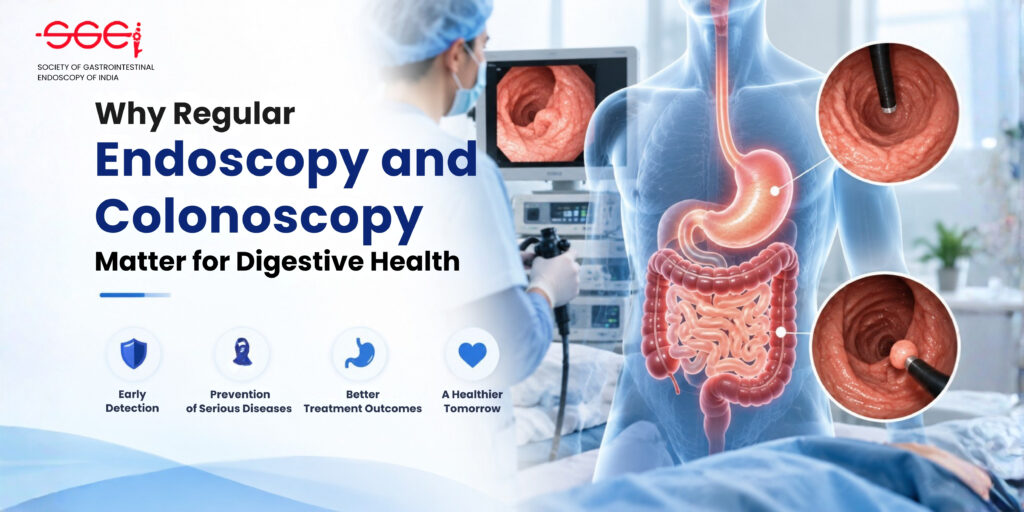
Digestive health plays an important role in overall well-being, yet many gastrointestinal (GI) conditions can develop silently before noticeable symptoms appear. This is one reason why endoscopy and colonoscopy are such valuable tools in modern digestive healthcare. These procedures allow doctors to examine the digestive tract directly, identify abnormalities at an early stage, and, when appropriate, perform treatments during the same procedure.
For people experiencing persistent digestive symptoms, individuals with certain risk factors, and those who meet recommended screening criteria, an upper GI endoscopy or colonoscopy can provide important information about their digestive health.
But what exactly are these procedures? When might they be recommended? And why does early detection matter?
This article explores the importance of endoscopy and colonoscopy, how they work, the conditions they can help identify, and why discussing appropriate screening with a qualified gastroenterologist can be an important part of maintaining digestive health.
What Is an Endoscopy?
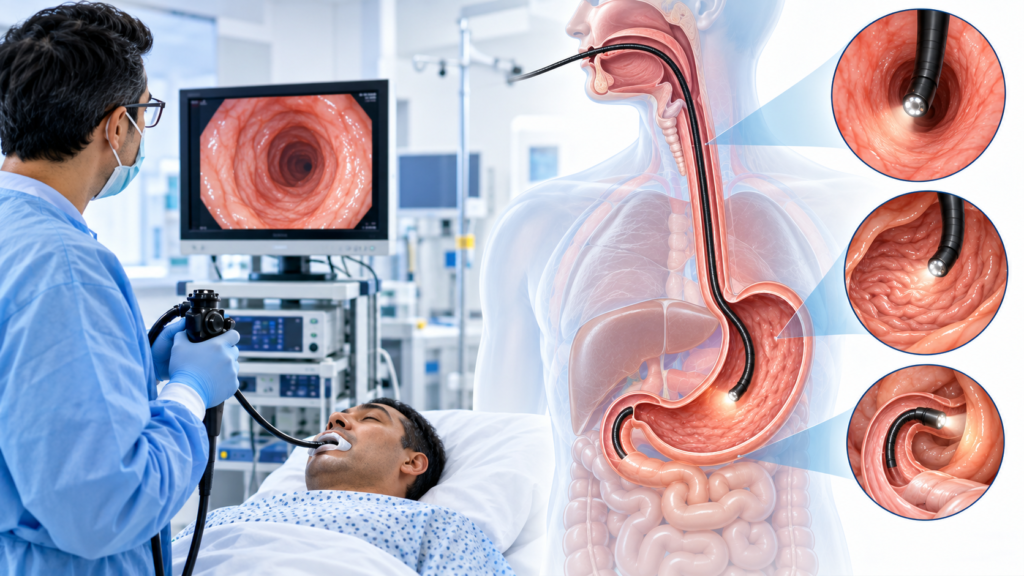
An upper gastrointestinal endoscopy, commonly called an upper GI endoscopy or gastroscopy, is a procedure that allows a doctor to examine the upper portion of the digestive tract.
A thin, flexible instrument called an endoscope is passed through the mouth and gently guided through the:
- Esophagus
- Stomach
- Duodenum
The endoscope contains a small camera and light, allowing the doctor to view the lining of the digestive tract on a monitor.
Depending on what the doctor observes, small tissue samples called biopsies may be taken for further examination. Certain abnormalities, such as some bleeding lesions or polyps, may also be treated during an endoscopic procedure.
Why Is Upper GI Endoscopy Performed?
Doctors may recommend an endoscopy when a patient has symptoms such as:
- Persistent heartburn or acid reflux
- Difficulty swallowing
- Unexplained upper abdominal pain
- Persistent nausea or vomiting
- Gastrointestinal bleeding
- Unexplained anemia
- Unexplained weight loss
- Persistent indigestion
An endoscopy can help investigate the underlying cause rather than relying only on symptoms.
What Is a Colonoscopy?
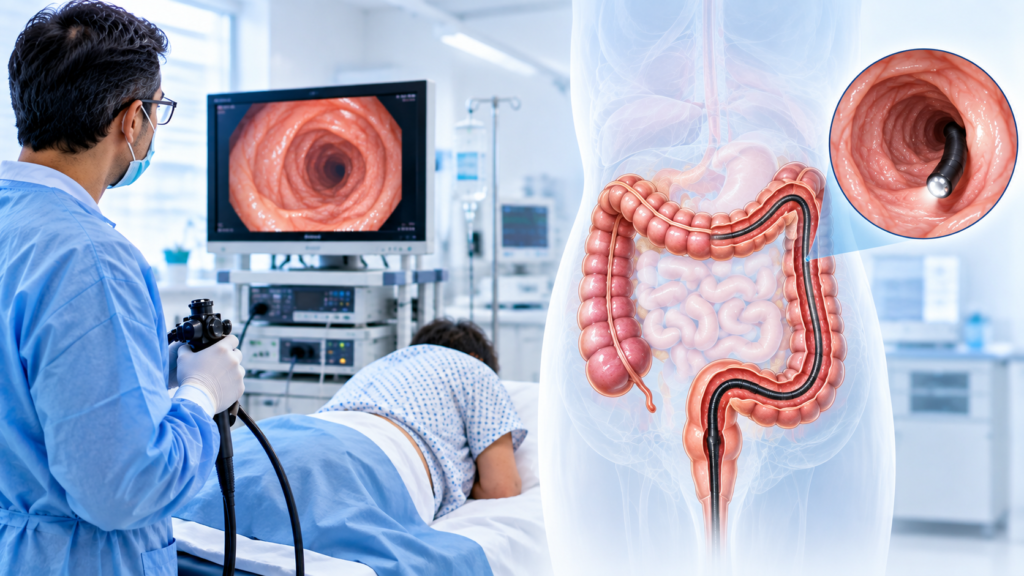
A colonoscopy is an examination of the large intestine, also known as the colon. It is performed using a flexible instrument called a colonoscope, which has a camera and light at its tip.
The colonoscope is carefully inserted through the rectum and advanced through the colon. This allows the gastroenterologist to examine the intestinal lining and look for abnormalities.
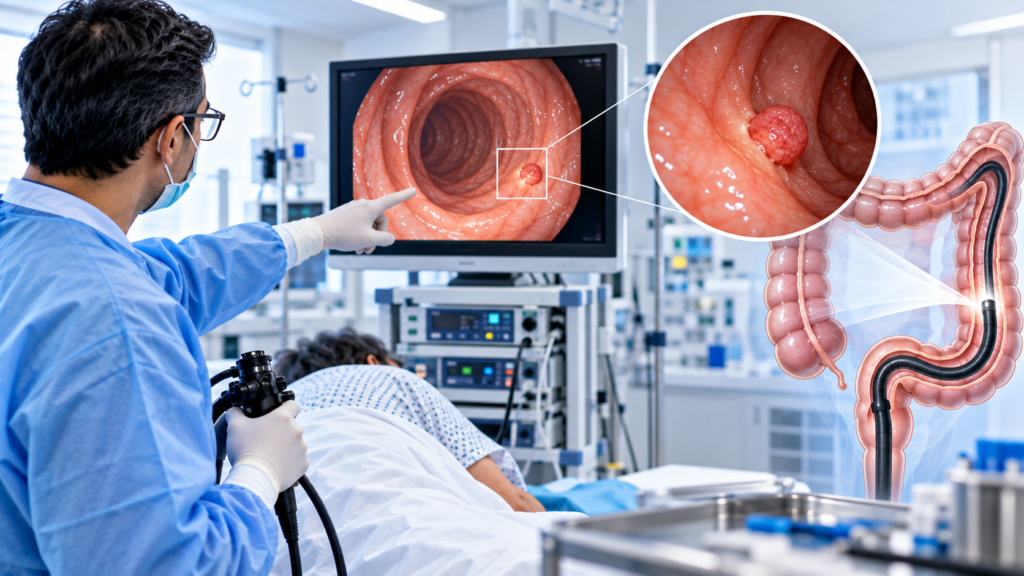
One of the major advantages of colonoscopy is that it can be both diagnostic and therapeutic.
During a colonoscopy, doctors may:
- Identify abnormal tissue
- Take biopsies
- Remove certain polyps
- Investigate unexplained bleeding
- Evaluate changes in bowel habits
- Look for signs of inflammation
This ability to detect and sometimes treat abnormalities during the same procedure makes colonoscopy an important tool in gastrointestinal care.
Endoscopy vs. Colonoscopy: What Is the Difference?
Although both procedures use flexible cameras to examine the digestive tract, they evaluate different areas.
| Endoscopy | Colonoscopy |
|---|---|
| Examines the upper digestive tract | Examines the large intestine |
| Usually performed through the mouth | Performed through the rectum |
| Examines the esophagus, stomach and duodenum | Examines the colon |
| Helps investigate upper GI symptoms | Helps investigate lower GI symptoms and screen for colorectal abnormalities |
| May involve biopsies or treatment | May involve biopsies and removal of certain polyps |
The choice between the procedures depends on the patient’s symptoms, medical history, risk factors, and the clinical question the doctor is trying to answer.
Why Is Early Detection Important?
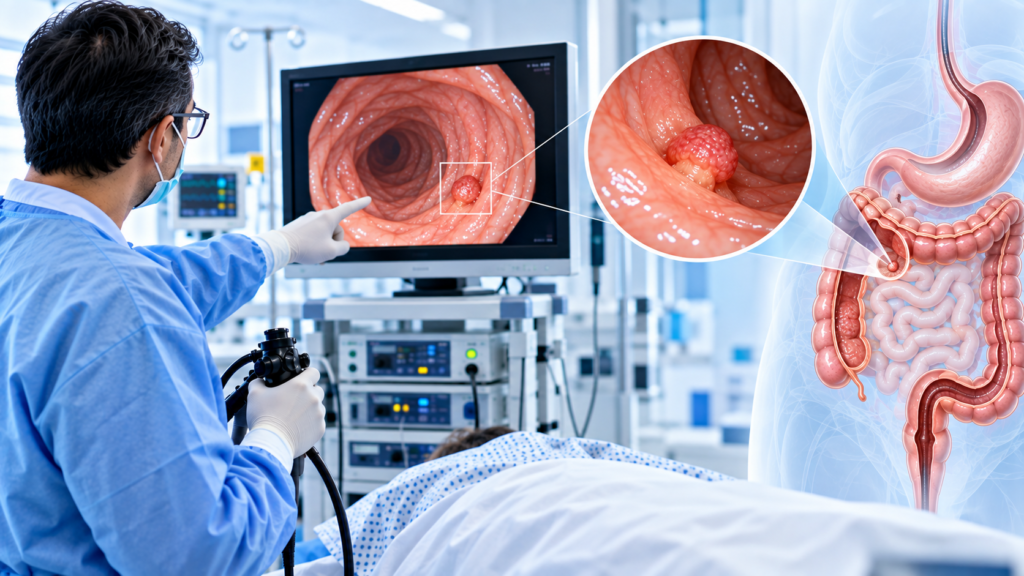
Many gastrointestinal diseases can become more difficult to manage when diagnosis is delayed. Early detection can allow doctors to identify abnormalities before they progress or cause significant complications.
For example, some colorectal polyps can develop into colorectal cancer over time. During a colonoscopy, certain polyps can be detected and removed, potentially preventing them from progressing.
Similarly, an upper GI endoscopy can help identify conditions affecting the esophagus, stomach, and duodenum before they cause serious complications.
This is why endoscopy is not only about finding disease it can also play a role in prevention, surveillance, and early intervention.
Who May Need an Endoscopy?
Not everyone requires regular endoscopy. Doctors generally recommend the procedure based on symptoms, medical history, risk factors, or specific clinical indications.
An upper GI endoscopy may be considered when someone has persistent or concerning symptoms such as chronic reflux, swallowing difficulties, recurrent vomiting, gastrointestinal bleeding, or unexplained weight loss.
Patients with certain known gastrointestinal conditions may also require endoscopic monitoring based on their individual circumstances.
It is important to understand that the decision to undergo an endoscopy should be individualized. A healthcare professional can assess the patient’s symptoms and determine whether the procedure is appropriate.
Who May Need a Colonoscopy?
Colonoscopy may be recommended for several reasons.
One of the most important is colorectal cancer screening. Screening recommendations vary depending on age, personal history, family history, and other risk factors, and guidelines may differ between countries and individuals.
A colonoscopy may also be recommended for people experiencing:
- Blood in the stool
- Unexplained changes in bowel habits
- Persistent diarrhea or constipation
- Unexplained iron-deficiency anemia
- Unexplained abdominal pain
- Unexplained weight loss
People with a personal or family history of colorectal cancer or certain types of polyps may require a different screening or surveillance schedule.
Rather than following a general schedule on your own, it is best to discuss when and how often colonoscopy is appropriate with a qualified healthcare professional.
Colonoscopy Can Help Prevent Colorectal Cancer
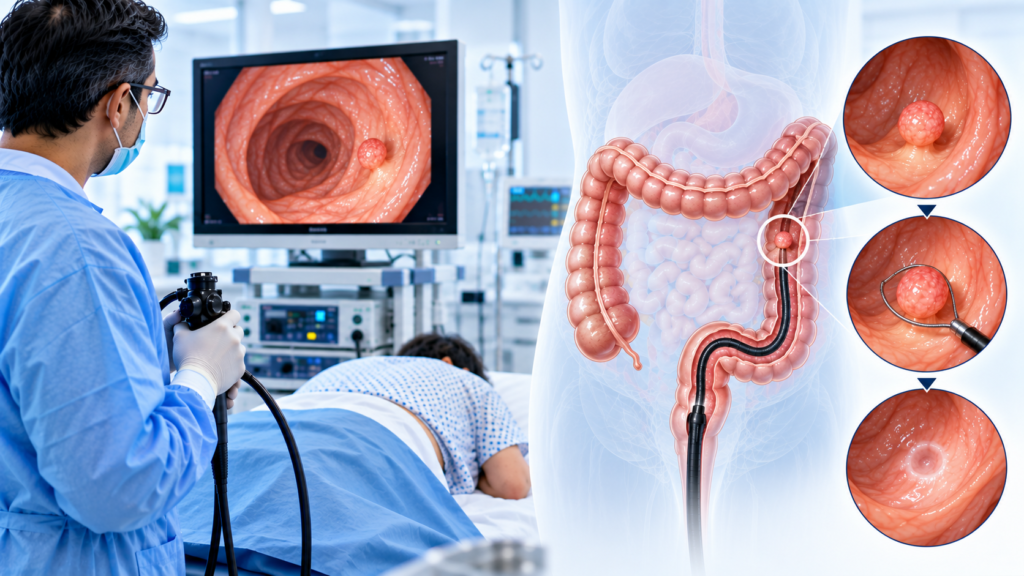
One of the most important benefits of colonoscopy is its ability to detect certain precancerous lesions.
Colorectal cancer can sometimes develop from polyps in the colon. These growths are often asymptomatic, meaning a person may not know they are present.
During a colonoscopy, a gastroenterologist can identify many polyps and, when appropriate, remove them.
This makes colonoscopy unique because it can potentially provide both:
Detection + Prevention
However, colonoscopy is not perfect, and its effectiveness depends on factors such as bowel preparation, the quality of the examination, and the skill and experience of the endoscopist.
What Happens During an Endoscopy or Colonoscopy?
Many people feel anxious before undergoing an endoscopic procedure because they do not know what to expect.
Before the procedure, the medical team provides specific preparation instructions.
For an upper GI endoscopy, patients are generally asked to avoid eating or drinking for a specified period before the examination.
For colonoscopy, bowel preparation is particularly important. The colon needs to be adequately cleaned so that the doctor can clearly examine its lining.
During the procedure, appropriate sedation or anesthesia may be used depending on the procedure, patient, and clinical setting.
The gastroenterologist then carefully examines the digestive tract using the endoscope.
If an abnormal area is identified, the doctor may take a biopsy or perform an appropriate endoscopic intervention.
After the procedure, patients are monitored until they are sufficiently recovered from sedation, if sedation was used.
Is Endoscopy or Colonoscopy Safe?
Endoscopy and colonoscopy are generally considered safe when performed by trained professionals in an appropriate clinical setting.
However, like any medical procedure, they are not completely risk-free.
Possible complications can include bleeding, infection, reactions to sedation, or in uncommon cases perforation of the digestive tract.
The level of risk depends on factors such as the patient’s health, the procedure being performed, and whether additional treatments such as polyp removal are required.
Before the procedure, the healthcare team should explain the potential benefits, risks, preparation requirements, and alternatives.
Why Preparation Matters
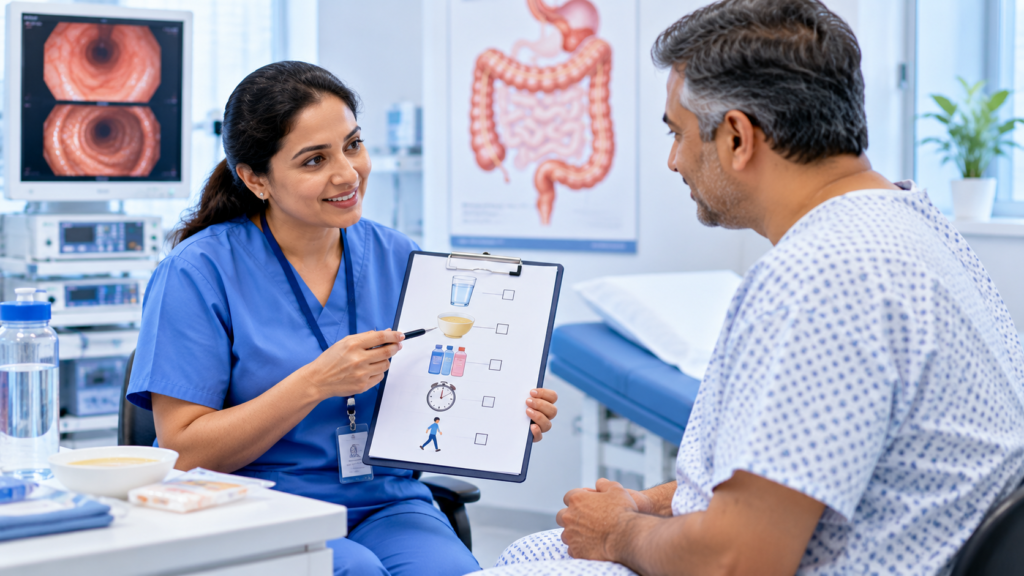
Good preparation is an essential part of a successful examination.
For colonoscopy in particular, inadequate bowel preparation can make it difficult to see the entire colon clearly. Small lesions or polyps may be harder to identify when the bowel has not been sufficiently cleaned.
Patients should therefore carefully follow the instructions provided by their healthcare team regarding:
- Diet before the procedure
- Bowel preparation
- Medication adjustments
- Fasting
- Arrival time
- Post-procedure care
Following these instructions can help improve the quality and safety of the examination.
Technology Is Transforming GI Endoscopy
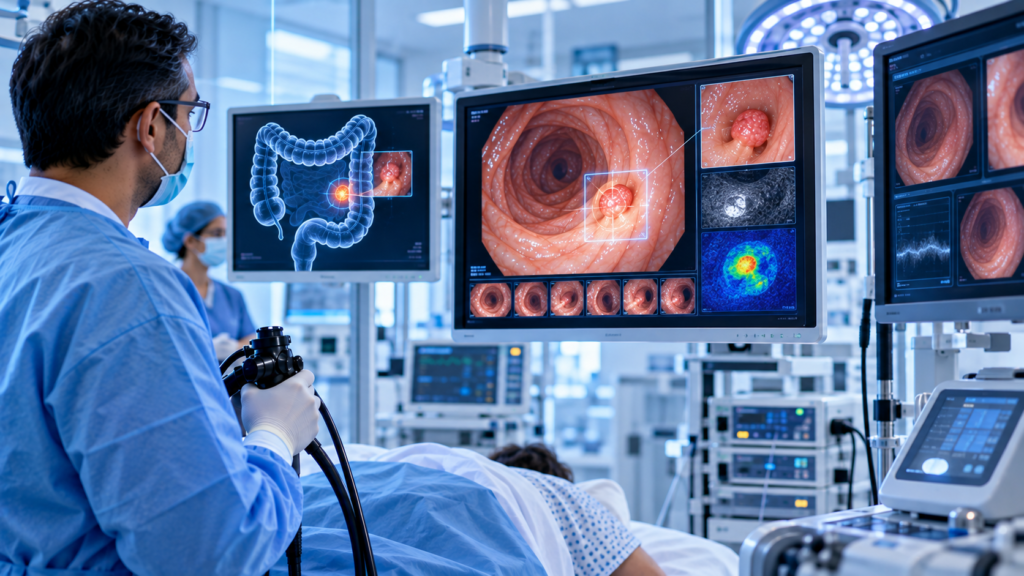
Modern gastrointestinal endoscopy has evolved significantly. Today’s endoscopes provide high-quality imaging, while advanced techniques can help doctors detect and treat increasingly complex conditions.
Technologies such as high-definition endoscopy, image-enhanced endoscopy, endoscopic ultrasound (EUS), and advanced therapeutic endoscopy have expanded the role of endoscopic procedures.
Artificial intelligence is also being explored and integrated into certain areas of endoscopic practice, particularly for assisting with lesion detection and characterization.
These developments highlight an important point: endoscopy is no longer simply a procedure for looking inside the digestive tract. It has become an increasingly sophisticated field combining diagnosis, prevention, surveillance, and minimally invasive treatment.
The Importance of Skilled Endoscopists
Technology is only one part of high-quality endoscopic care.
The experience and training of the endoscopist, appropriate patient selection, adequate preparation, careful examination, and proper interpretation of findings all contribute to the quality of an endoscopic procedure.
Continuous education and skills development are therefore important for gastroenterologists.
Professional organizations and academic societies play an important role by supporting education, training, research, knowledge-sharing, and professional development in gastrointestinal endoscopy.
Don’t Ignore Persistent Digestive Symptoms
Occasional digestive discomfort is common. However, persistent or unexplained symptoms should not simply be ignored.
Symptoms that may warrant medical evaluation include:
- Persistent abdominal pain
- Difficulty swallowing
- Blood in the stool
- Black or tarry stools
- Persistent vomiting
- Unexplained weight loss
- Persistent changes in bowel habits
- Unexplained anemia
- Ongoing heartburn or indigestion
These symptoms do not necessarily mean that a serious disease is present. However, they can have many causes, and a healthcare professional can determine whether further evaluation including endoscopy or colonoscopy is appropriate.
Making Digestive Health a Priority
Digestive health should not only become a concern when symptoms appear. Preventive healthcare and appropriate screening can help identify certain conditions earlier.
Endoscopy and colonoscopy provide gastroenterologists with valuable opportunities to examine the digestive tract directly, investigate symptoms, detect abnormalities, obtain tissue samples, remove certain lesions, and guide treatment.
For eligible individuals, colorectal cancer screening can be particularly important because precancerous changes may be present before symptoms develop.
The right timing and frequency of these procedures, however, depend on individual factors. There is no single schedule that is appropriate for everyone.
Conclusion: Early Attention Can Make a Difference
Endoscopy and colonoscopy are important tools in modern digestive healthcare. They help doctors investigate symptoms, detect abnormalities, monitor certain conditions, and, in appropriate circumstances, prevent disease from progressing.
Colonoscopy can play a particularly important role in colorectal cancer screening and the detection and removal of certain precancerous polyps. Upper GI endoscopy, meanwhile, provides valuable assessment of the esophagus, stomach, and duodenum.
The key is not to undergo these procedures unnecessarily, but to understand when they are medically appropriate.
If you have persistent digestive symptoms, a relevant family or personal medical history, or are approaching the age at which screening is recommended, speak with a qualified healthcare professional about your individual risk and screening needs.
Early detection, informed decisions, and high-quality endoscopic care can all contribute to better digestive health.
Why Join SGEI?
- Connect with GI endoscopy professionals and experts
- Explore educational and training opportunities
- Stay updated with developments in gastrointestinal endoscopy
- Participate in professional events, workshops and learning initiatives
- Build meaningful connections within the GI endoscopy community